INTERVENTIONAL RADIOLOGY
WHAT IS INTERVENTIONAL RADIOLOGY?
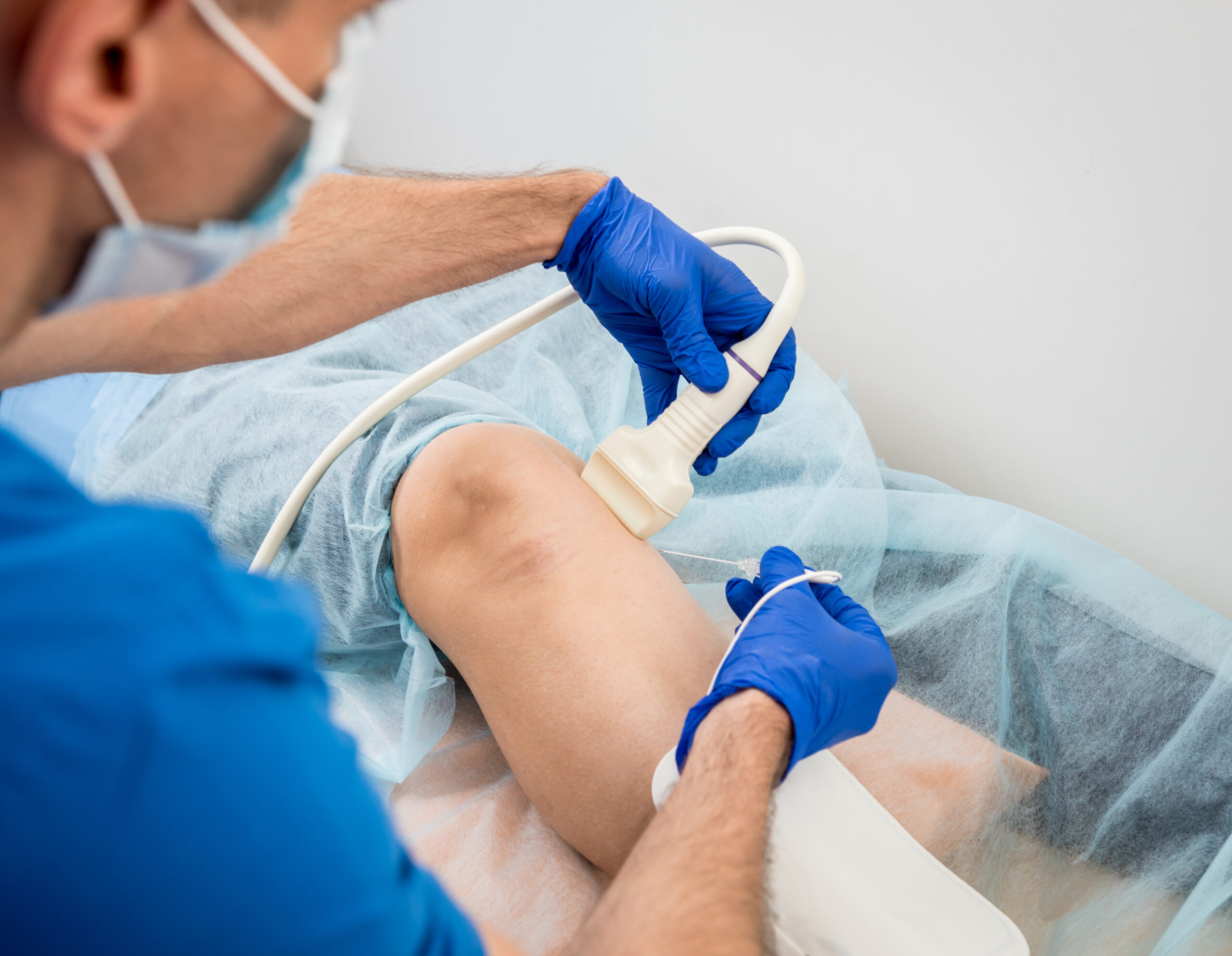
- Interventional radiology refers to a field of radiology specialising in the performance of image guided minimally invasive procedures(keyhole surgery), to diagnose, treat and cure many kinds of conditions.
- Imaging modalities used include, X-ray fluoroscopy, Ultrasound, CT and MRI.
- This field of radiology, reduces the cost, recovery time, pain and risk to patients who would otherwise need traditional open surgery.
- Examples of procedures carried out at AfriRad Medical Imaging:
Tissue Biopsies (Breast, Lung, Liver, Kidney, Soft Tissues, Thyroid)
Breast tumour marker placement and hookwire localisation
Percutaneous Biliary Drainage and Stenting
Percutaneous Nephrostomy(Kidney Drainage)
Percutaneous Abscess Drainage
CT and Fluoroscopic Guided Facet Joint and Perineural Infiltrations
Ultrasound guided Joint infiltrations
Many others…
HOW TO PREPARE
- Preauthorisation from your medical scheme is required and will be obtained on your behalf by our members of staff.
- You remain responsible for any shortfall or non-payment by the medical aid.
- Private patients are expected to pay for the procedure on the day of the procedure.
- Prior to a needle biopsy, tell your doctor about all the medications you take, including herbal supplements. List any allergies, especially to anesthesia. Your doctor may advise you to stop taking aspirin, blood thinners, or certain herbal supplements three to five days before your procedure. This will help decrease your risk of bleeding.
- Also, inform your doctor about recent illnesses or other medical conditions.
- An informed consent form and jobcard needs to be signed prior to the examination
- If undergoing sedation, an overnight fast from 10pm the night before is advised.
- The procedure may take between 10-30min whereafter you will be transferred to theatre recovery bay until awake.
- Costs relating to pathology services and hospital admission/monitoring are additional and not part of the radiology service cost. Our staff can provide a quotation for this prior to the procedure.
WHAT TO EXPECT
- Wear comfortable, loose-fitting clothing. You may need to remove all clothing and jewelry in the area to be examined.
- You may need to change into a gown for the procedure.
- Prior to a needle biopsy, tell your doctor about all the medications you take, including herbal supplements. List any allergies, especially to anesthesia. Your doctor may advise you to stop taking aspirin, blood thinners, or certain herbal supplements three to five days before your procedure. This will help decrease your risk of bleeding.
- Also, inform your doctor about recent illnesses or other medical conditions.
- The attending radiologist will discuss the procedure and complications related hereto with you prior to the procedure. You will be required to sign an informed consent form
- Breast and thyroid biopsies are almost always performed under local anaesthesia without the need for sedation.
- When you receive the local anesthetic to numb the skin, you will feel a pin prick from the needle followed by a mild stinging sensation from the local anesthetic. You will likely feel some pressure when the doctor inserts the biopsy needle and during tissue sampling. This is normal.
- The area will become numb within a few seconds.
- You must remain very still while the doctor performs the imaging and the biopsy.
- As tissue samples are taken, you may hear clicks or buzzing sounds from the sampling instrument. These are normal.
- If you experience swelling and bruising following your biopsy, your doctor may tell you to take an over-the-counter pain reliever and to use a cold pack. Temporary bruising is normal.
- Call your doctor if you experience excessive swelling, bleeding, drainage, redness, or heat in the breast.
- Avoid strenuous activity for at least 24 hours after the biopsy. Your doctor will outline more detailed post-procedure care instructions for you.
- Conscious sedation with analgesia are usually administered for biopsies of internal organs (lung, liver, kidney etc) and are performed after hospital admission only.. Your vitals and oxygen saturation will be monitored during the procedure.
- The procedure may take between 10-30min whereafter you will be transferred to theatre recovery bay until awake.
- It is advisable to have someone drive you home afterward, especially if you receive sedation.
- The biopsy specimens will be submitted to the pathology laboratory for further assessment and may take between 1-7 days for a results to be obtained. This is an additional cost separate from the radiology procedure. Your referring doctor will discuss the results with you when they become available.